
The shift manager is the front line. Nobody trained them for it
In the plant and in the shop, the shift manager is the first to see someone falling apart. What HR can give them in 30 minutes so they know what to say and where to send people.

Tomek runs the second shift in the assembly hall. Forty people, four lines, a target to hit by 10 pm. For two weeks he's noticed that Paweł on line three is turning up late, making mistakes he hasn't made in years, and on Mondays he smells of alcohol. Tomek knows something's wrong. He doesn't know what to do about it. HR sits in an office two floors up and finishes at 4 pm.
Who sees it first
In a factory, a warehouse or a retail chain, it's the supervisor or shift manager who first notices that someone is falling apart. Not HR, and not the engagement survey. They see the lateness, the row at the machine, the shaking hands, the person who comes back from break with red eyes.
That same manager has the most on their plate and the fewest tools. They're responsible for output, quality, safety and staffing. They're working overtime, they have two people off sick and an audit on Friday. Their “difficult conversations” training was three years ago, if they had any at all. When they see Paweł falling apart, they have two options: pretend not to see, or do something nobody has prepared them for.
Most choose the first. Not because they don't care, but because they're worried they'll say the wrong thing, pry into someone's private life, or have to report the drinking and cost someone their job. The problem grows until it turns into an accident, a dismissal or a long absence.
What HR can give them in thirty minutes
A shift manager won't come to a two-day training course. They'll give you half an hour if HR comes down to the floor during their break. Four things fit into that half hour.
Three signs. A change in timekeeping and quality in someone who used to be reliable. Withdrawal, or a temper that wasn't there before. Signs of alcohol or other substances on a working day. The manager doesn't need to look out for ten symptoms. They need to notice that someone isn't themselves any more.
One opening line. “I've noticed things haven't been right for a couple of weeks. You don't have to tell me what it is. I just want you to know there's somewhere you can go with it.” The manager learns it by heart. They say it in private, at the end of the shift, in the office. Not on the line and not in front of colleagues.
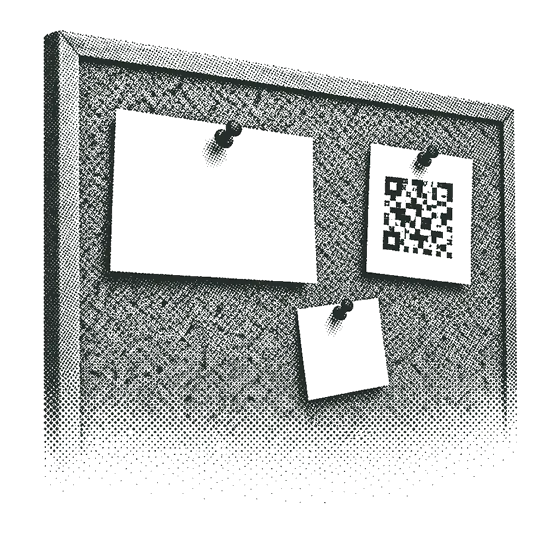
A clear route. The manager gets three things on a single sheet: a QR code for signing up from a personal phone, a support line the employee can call themselves, and one person in HR the manager can ring when a situation is beyond them. If the company offers on-site crisis intervention, this is the moment to mention it. For the employee, but also for the manager, because they need someone to talk it through with too.
The rule. You don't diagnose, you don't make promises, and you don't carry it alone. You don't say “you're depressed” or “you're an alcoholic”. You don't promise to keep quiet if safety on the floor is at stake. You don't shoulder it on your own for a month, because that's what HR and specialists are for. In Mindgram's workshop for leaders we boil it down to the same three steps: notice, say one sentence, pass it on.
A ten-minute briefing
A shift manager won't run a workshop for their shift. They will run a briefing, because they do one every day anyway. All it takes is adding ten minutes to it once a month.
The script is simple. Two sentences saying the company offers support and nobody will see who uses it. One example of something people can come with: “I can't sleep”, “we keep rowing about money at home”, “my son's stopped talking to me”. A QR code on the board by the entrance, and a note that it works from a personal phone. And to finish, one line from the manager: “If anything's up, come and see me. I won't ask for details.”
If the manager has signed up themselves, they can say so. People on the floor believe the person standing next to them, not whoever sent an email.
A briefing repeated every month builds what a one-off announcement never will: a sense that this is a normal thing to talk about. After six months Paweł has heard six times that it's OK to go. The seventh time, he might.
Getting the message onto the floor
Office channels don't work on the shop floor. Email doesn't reach people, because they don't have an inbox. Nobody opens the intranet, because they don't have a computer. No one on the second shift ever saw the slides from the launch meeting.
What works is whatever hangs where people get changed and eat. A poster in the changing room with one sentence and a QR code. A leaflet in the canteen that fits in a pocket. A sticker by the clocking-in machine. All of it saying that you can sign up from a personal phone, without a work email, and that the company can't see who has signed up.
The materials should talk about real situations. “Not slept properly for a week?” works better than the name of the platform. The poster's topic can change every month, along with the briefing topic, so people can see it's alive.
The shift manager should get these materials first, before they go up. If an employee asks about the poster and the manager has no idea what it's about, the poster loses its credibility, and so does the manager.
Before you print anything, go down to the floor during a break and ask three shift managers where their people get changed and whether there's phone signal in the changing room.