
Biedronka: a QR code in the warehouse instead of a work email
Poland's largest private employer rolled out Mindgram in its shops and distribution centres. Staff there have no work email, so the company used posters, QR codes and topics people actually want to read about.
- Company
- Jeronimo Martins Polska (Biedronka)
- Industry
- Retail
- Headcount
- tens of thousands of people
- With Mindgram
- for a year
Jeronimo Martins Polska, which owns the Biedronka chain, is the largest private employer in Poland. Its tens of thousands of staff work mainly in shops across the country and in distribution centres. The group also runs the Hebe chain of drugstores. Shift work, weekends and constant contact with customers are everyday reality for most of them. The company has worked with Mindgram for a year.
The situation
A typical support programme assumes that employees have a work email address, a computer and a quiet moment at a desk. In a shop or a warehouse, people have none of these. The only digital tool they have is their own phone. A long message from head office gets lost on the way, and often the only link between the company and the employee is the shop or shift manager. Many people work in smaller towns, where a psychologist is hard to find and the word “therapy” meets resistance. The company wanted support to reach the cashier and the warehouse worker, not just head office.
What they did
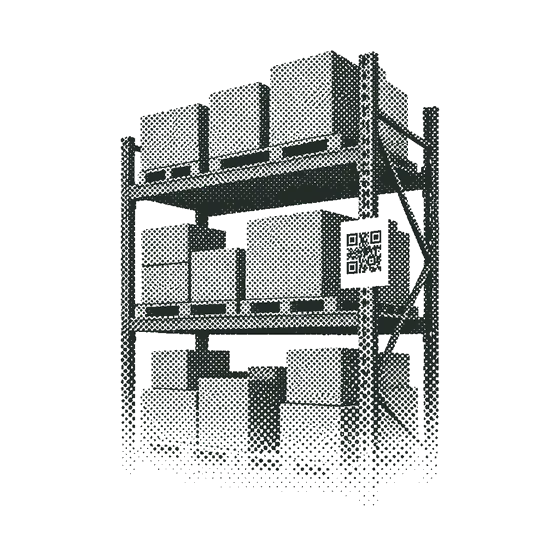
- Sign-up without email. Employees scan a QR code on a poster in the back room or the warehouse and create an account with a company code. No work address, no IT department, no waiting.
- QR codes where the people are. Posters went up in the distribution centres, the places that head office communication usually doesn't reach. That is where sign-ups took off most strongly.
- Topics people want to read about. Instead of a general “look after your mental health”, the company pushes specific topics: ADHD, diabetes, child maintenance. Each new topic brings a fresh wave of sign-ups.
- Short guides for managers. Shop and shift managers received short materials: what the platform offers, how crisis support differs from psychotherapy, and how to respond when an employee isn't themselves.
- Crisis intervention when tragedy strikes. When something sudden happens in a team, the manager and HR can call in crisis intervention, and employees get sessions with a crisis intervention specialist. At Biedronka, this has been used, not just written into the plan.
What changed
Sign-ups come in waves, after each new topic goes out. Warehouse and shop staff create accounts on their phones, often outside working hours. Anyone who doesn't want the app can call the phone support line and talk to a psychologist without installing anything. The topic of the month has become a steady rhythm of communication rather than a one-off campaign. People who use the platform say they have gained new knowledge or skills, not just “talked to a psychologist”.
Mindgram received good reviews in the employee survey. The company agreed to talk about this publicly, which is not a given in an organisation this size.
HR's role has changed too. Instead of answering one-off questions about benefits, child maintenance or a difficult conversation with an employee, the team refers people to the platform's legal, financial and social advisors. Managers know they don't have to diagnose anything, just point the way.
The Mindgram platform helps us develop our organisational culture with a focus on caring for mental health and diversity.
Katarzyna Chlebuś, Senior Employee Programmes Manager, Jeronimo Martins
What this means for you
- Design sign-up for people without email. A company code and a QR code on a poster open the platform to people email will never reach.
- Communicate through topics, not slogans. ADHD, diabetes and child maintenance draw more people than a general “look after yourself”.
- Equip your managers. A short guide is enough for a shift manager to know where to send an employee.